


What’s The Current Job Market For Buy Drivers License Professionals Like?
Understanding the Process of Obtaining a Driver’s License: An In-Depth Guide
Obtaining a driver’s license is often viewed as a rite of passage for many people. It represents not just the capability to operate an automobile legally however also the newfound self-reliance that features it. However, the procedure of obtaining a driver’s license can vary substantially based upon geographic area, age, and individual situations. This article provides a detailed summary of how to obtain a driver’s license, what documents is required, and answers to frequently asked concerns.
Actions to Obtain a Driver’s License
The process typically includes several actions, which might vary depending upon local guidelines and the type of driver’s license sought. Below are the general steps one might follow:
1. Identify Eligibility
Before starting the journey to get a driver’s license, individuals ought to first determine their eligibility based on a number of criteria, which might include:
- Age Requirement: Most places have a minimum age requirement, often ranging from 16 to 18.
- Residency: Applicants should be homeowners of the state or area where they are applying.
- Legal Status: Ensure all documents abides by regional laws.
2. Total a Driver’s Education Course
Many states need brand-new drivers to finish a driver’s education course, particularly for those under the age of 18. These courses generally cover the following:
- Traffic laws and guidelines
- Protective driving methods
- Threat recognition
3. Acquire a Learner’s Permit
As soon as the academic requirements are fulfilled, a candidate can make an application for a learner’s authorization. This permits supervised driving while practicing skills. The actions to obtain a student’s authorization generally include:
- Submitting an application
- Passing a composed knowledge test
- Paying appropriate fees
4. Practice Driving
With a student’s license in hand, brand-new drivers need to log a particular number of hours of practice driving, frequently under the guidance of a licensed grownup. This practical experience is crucial for constructing confidence and competence behind the wheel.
5. Schedule a Driving Test
After fulfilling the practice requirements, individuals can set up a driving test. The driving test typically consists of:
- A car security examination, verifying that the lorry is roadworthy
- Maneuvers such as turning, parallel parking, and obeying traffic signals
- A presentation of protective driving methods
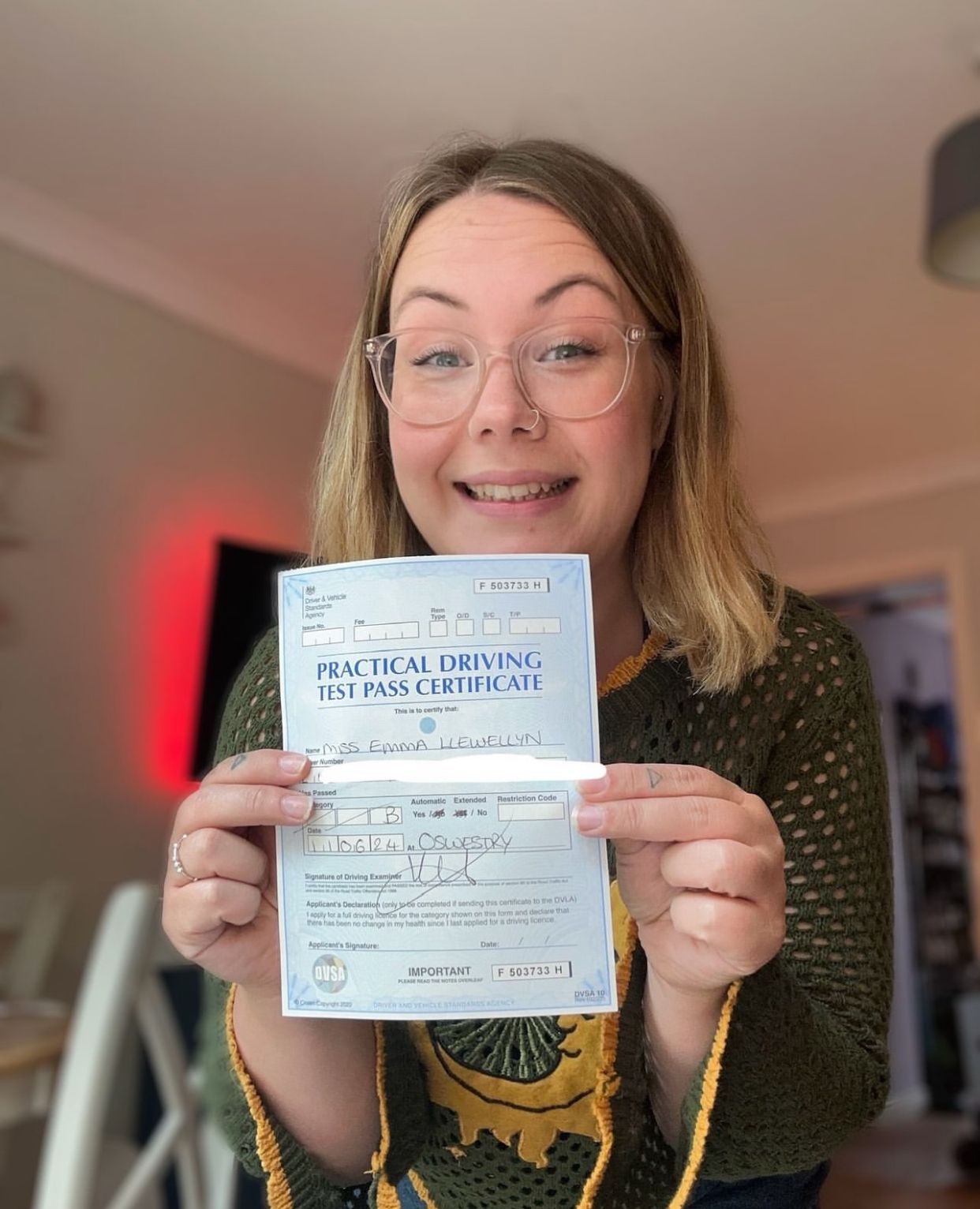
6. Get the Driver’s License
Upon effectively passing the driving test, applicants can acquire their driver’s license. The requirements for getting the license may include:
- Submission of essential files (proof of identity, residency, and so on)
- Payment of licensing charges
- Issuance of a provisional or full license depending upon age and driving experience
7. Acquaint Yourself with Driving Regulations
Having actually acquired a driver’s license, it’s important to remain informed about local driving laws, policies, and any modifications that may happen. Awareness of laws referring to speeding, driving under the impact, and seat belt usage can avoid future legal problems.
Paperwork Required to Obtain a Driver’s License
The paperwork needed throughout the application process can differ by area, however usually consists of:
- Proof of Identity: This may include a birth certificate, passport, or social security card.
- Evidence of Residency: Documents like utility expenses or bank statements showing the candidate’s name and address.
- Conclusion Certificate: Proof of completion for a driver’s education course, if applicable.
- Learner’s Permit: If the candidate is transitioning from a student’s authorization.
Common FAQs
1. For how long is a driver’s license valid?
The validity period for a driver’s license differs by jurisdiction. In lots of areas, licenses should be restored every four to eight years. Inspect local regulations for specific details.
2. What should I do if I stop working the driving test?
If you stop working the driving test, remain calm. Each state usually permits retaking the examination after a set waiting period. Use the time to practice and strengthen your abilities.
3. Can I drive with a student’s license?
Yes, however just when accompanied by a certified adult who fulfills particular requirements, such as being over a certain age and having a legitimate driver’s license.
4. Exist extra requirements for industrial licenses?
Yes, individuals looking for a business driver’s license (CDL) should undergo additional training and screening specific to the type of vehicle they plan to run, including particular medical requirements.
5. What are the limitations on a provisional license?
Provisionary licenses often feature particular restrictions, such as limitations on nighttime driving or carrying travelers. Familiarize yourself with these guidelines to avoid charges.
6. How can I prepare for the written knowledge test?
To get ready for the written understanding test, study your state’s driver handbook, take practice quizzes offered through various online platforms, and consider enrolling in a driver’s education course if you have refrained from doing so already.
Getting a driver’s license is a significant turning point that requires cautious preparation and adherence to regional guidelines. By comprehending the steps included, gathering the necessary documents, and staying informed about driving laws, potential buy drivers License can browse this process smoothly. As more people take to the roads, knowing the requirements and knowing precaution becomes significantly important. With diligent practice and awareness, the journey from student’s authorization to full-fledged driver can be a gratifying experience, representing both freedom and responsibility.

